يقضي معظم متعلمي اللغات شهورًا في القيام بنفس الأنشطة: التمرين على البطاقات التعليمية، وإكمال دروس التطبيقات، ومشاهدة مقاطع الفيديو المصحوبة بترجمة. هذه عادات مفيدة. لكن هناك نوعًا محددًا من الممارسة يميز المتعلمين الذين يتقنون التحدث باللغة في نهاية المطاف عن أولئك الذين يقتصرون على قراءتها، وهو المحادثة المنتظمة غير المخطط لها مع شخص آخر.
تعد المحادثات التبادلية، التي يتحدث فيها شخصان معًا باللغات المستهدفة لكل منهما، إحدى أكثر الأساليب التي خضعت للبحث في مجال اللغويات التطبيقية. وتتجاوز فوائدها مجرد “المزيد من التدريب على التحدث”؛ فهي تغير الطريقة التي تعالج بها اللغة تحت الضغط، وكيفية تعاملك مع التصحيح، وحتى مدى حماسك لمواصلة التعلم. إليك ما يحدث فعليًّا عندما تجعل المحادثة الحقيقية جزءًا أساسيًّا من عملية التعلم.
تمنحك قراءة الجملة كل الوقت الذي تحتاجه. أما الاستماع إلى بودكاست فيتيح لك الرجوع إلى الوراء. لكن المحادثة المباشرة مع شخص آخر تمضي قدماً سواء كنت مستعداً أم لا. وهذا الضغط، رغم الشعور بعدم الراحة الذي يسببه في البداية، هو بالضبط ما يجبر عقلك على التوقف عن الترجمة والبدء في المعالجة.
أظهرت دراسة قارنت بين الطلاب الذين مارسوا اللغة مع متحدثين أصليين عبر تطبيق للتبادل اللغوي، وأولئك الذين مارسوا اللغة في الفصل فقط، أن كلا المجموعتين حققتا تحسناً، لكن المجموعة التي استخدمت التبادل الحواري تفوقت على الفصل التقليدي في مهارات التحدث. والآلية وراء ذلك ليست غامضة: فعندما تضطر إلى الرد في الوقت الفعلي، فإنك تدرب المسارات المعرفية التي يتطلبها التحدث بطلاقة بالفعل.
وهذا هو السبب أيضًا في أن المتعلمين الذين يعتمدون كليًّا على المدخلات السلبية — مثل القراءة والاستماع والمشاهدة — غالبًا ما يواجهون عقبة. فهم قادرون على فهم اللغة بشكل جيد بما فيه الكفاية، لكنهم يتجمدون عندما يُطلب منهم التعبير بها. والتبادل الحواري يسد هذه الفجوة بشكل مباشر، لأن المطالبة بالإنتاج اللغوي جزء لا يتجزأ من كل جلسة.
لا يوجد كتاب مدرسي يستطيع أن يجسد النسيج الكامل للغة حية. فالمتحدثون الأصليون يستخدمون كلمات ربط، وتعبيرات محلية، واختصارات غير رسمية، وإشارات ثقافية محددة، وهي أمور نادراً ما تتطرق إليها الدورات الدراسية الرسمية. أما المحادثة المنتظمة مع متحدث أصلي فتُعرّضك لكل ذلك، ليس كقائمة يجب حفظها، بل كأنماط حية يتم استيعابها في سياقها.
هذا الأمر أكثر أهمية مما يدركه معظم المتعلمين. إن إدراك أن كونيتشيوا إن معرفة أن هذه الكلمة تعني “مرحبًا” باللغة اليابانية أمرٌ واحدٌ. أما فهم متى يستخدمها المتحدث الأصلي فعليًّا، وما هو السياق الاجتماعي الذي تنطوي عليه، ومتى يكون استخدام عبارة أخرى أكثر ملاءمةً، فهذا هو النوع من المعرفة البراغماتية التي لا تُكتسب إلا من خلال التفاعل الحقيقي.
أظهرت الأبحاث المتعلقة بالتبادل اللغوي أن المشاركين أفادوا بشكل متكرر بأن هذه التجربة “فتحت نافذة جديدة تمامًا” على الثقافة المستهدفة، وألهمتهم لمواصلة التجربة بحماس أكبر. فالفهم الثقافي والكفاءة اللغوية يتطوران معًا خلال المحادثة، وليس كل على حدة.
هناك فرق جوهري بين التعرف على كلمة ما والقدرة على استخدامها في ظل الضغط. فالتبادل الحواري يدفعك نحو هذا الأخير. عندما تجد صعوبة في التعبير عن فكرة ما ويقدم لك شريكك بالضبط الكلمة التي كنت تفتقدها، أو يرشدك إلى طريقة أكثر طبيعية لقول شيء ما، فإن تلك المفردات تصبح راسخة في ذهنك في لحظة حقيقية. ولا تختفي بعد انتهاء مراجعة البطاقات التعليمية.
أظهر تحليل تفاعلات التبادل اللغوي أن التعليقات التي تركز على المعنى والتفاوض أثناء المحادثة تؤدي إلى تحسينات ملحوظة في كل من القواعد النحوية واستخدام الكلمات. فأنت لا تكتفي بممارسة المفردات فحسب، بل تتلقى إرشادات بشأنها في السياق نفسه الذي ظهرت فيه الثغرة. ويصعب تكرار هذا النوع من التصحيح الموجه واللحظي باستخدام أي طريقة تعليمية أخرى.
كما أن المتحدثين الأصليين يقدمون بدائل بشكل طبيعي. فإذا وصفت شيئًا بطريقة غير مباشرة، فغالبًا ما يرد عليك شريكك الذي يتحدث اللغة بطلاقة بتعبير أبسط أو أكثر ملاءمة للغة. ومع تكرار الجلسات بما يكفي، تصبح صياغتك أقل شبهاً بجملة مترجمة وأكثر شبهاً بما قد يقوله متحدث أصلي بالفعل.
اقرأ أيضًا: كيف يتعلم اللغويون اللغات بكفاءة: عادات تستحق الاقتداء بها
من مخاطر التعلم الذاتي أن الأخطاء تمر دون أن يُلاحظها أحد، وتترسخ في الذهن من خلال التكرار. فأنت تتدرب على نطق شيء خاطئ حتى تصبح الصيغة الخاطئة تبدو طبيعية بالنسبة لك. أما التبادل الحواري فيقطع مسار هذه العملية، حيث يسمع المتحدث الأصلي الخطأ في الوقت الفعلي ويمكنه تصحيحه على الفور.
أظهرت الأبحاث التي أجريت حول التبادلات الحوارية الافتراضية أن هذه التفاعلات غالبًا ما تنطوي على شرح المصطلحات الجديدة وتقديم الملاحظات التصحيحية في جو من الود، مما يخلق حلقة تعليمية إيجابية، حيث يقوم كل شريك بدور المعلم والمتعلم في آن واحد.
تعد هذه الملاحظات الفورية ذات قيمة خاصة فيما يتعلق بالنطق. فمن الصعب جدًّا سماع لهجتك بدقة، كما أن الأوصاف الصوتية الواردة في الكتب نادرًا ما تُترجم بشكل جيد إلى أوضاع الفم الفعلية. إن الاستماع إلى متحدث أصلي وتقليده بانتظام يساعدان على ضبط نطقك بطرق لا تستطيع القواعد المكتوبة تحقيقها.
كما يمكن تعديل شكل التعليقات وفقًا لتفضيلاتك. يفضل بعض المتعلمين المقاطعة الفورية عند كل خطأ؛ بينما يرى آخرون أن تلقي ملخص للتصحيحات بعد الانتهاء من الكلام أقل إزعاجًا. وتتيح هذه المرونة تكييف التبادل الحواري بطريقة لا يتسم بها التدريس في الفصول الدراسية عادةً.
يُعد القلق من التحدث أحد أكثر العوائق شيوعًا وأكثرها التي يتم الاستهانة بها في تعلم اللغات. يقضي العديد من المتعلمين سنوات في تنمية المهارات السلبية، مثل القراءة والاستماع والفهم، ويتجنبون التحدث بسبب شعورهم بخوف شديد من الإحراج. ويُعد التبادل الحواري أحد أكثر الحلول فعالية للتغلب على هذا النمط.
السبب في نجاح هذه الطريقة هو سبب هيكلي. فعندما يكون شريكك في المحادثة متعلمًا للغة هو الآخر، يكون هناك تفاهم ضمني بينكما. فكلاكما يعرفان الشعور الذي ينتاب المرء عندما ينسى كلمة في منتصف الجملة أو يحاول استخدام قاعدة نحوية لم يتقنها تمامًا بعد. وهذا الضعف المشترك يقلل من الضغط النفسي بطريقة لا توفرها عادةً المحادثة أمام الفصل أو أمام المعلم.
وقد توصلت الدراسات التي تناولت موضوع التبادل اللغوي إلى أن الصداقة التي تنشأ بين الشركاء توفر بيئة آمنة تجعل التعليقات التصحيحية تبدو أقل إثارة للخوف، وأن التبادل المنتظم يمكن أن يساعد في التخلص من القلق أو الخوف من ارتكاب الأخطاء، مع زيادة الرغبة العامة في التواصل.
بمرور الوقت، تُبني المحادثات الناجحة — حتى تلك التي تفتقر إلى الكمال — شكلاً من أشكال الثقة يصعب تكوينه بأي طريقة أخرى. فتتوقف عن الانتظار حتى تصبح “مستعداً” للتحدث، وتبدأ في التحدث لتصبح مستعداً.
تعلم اللغة مشروع طويل الأمد، والحافز ليس مورداً ثابتاً. فهو يتقلب. وقد تمر أسابيع دون ممارسة. والمتعلم الذي كان يشعر بالحماس في الشهر الأول يصاب بالإرهاق بحلول الشهر الرابع. ويقدم التبادل الحواري حلاً هيكلياً لهذه المشكلة لا يمكن لأي تطبيق أن يحاكيه: شخص آخر يعتمد عليك في الحضور.
أظهرت الأبحاث أن المشاركين في برامج التبادل اللغوي أفادوا بأن التدرب مع متحدثين أصليين عزز دافعهم وثقتهم بأنفسهم، مما أدى في النهاية إلى خلق تجربة تعليمية أكثر نشاطًا، وأن المشاركة في التفاعلات اللغوية عبر الإنترنت عززت مهارات التعاون إلى جانب الدافع.
عندما يكون لديك جلسة مجدولة مع شخص حقيقي، فإن عائق التخلف عن الحضور يكون أكبر. فالالتزام الاجتماعي يغير الحسابات. كما أن تجربة مشاهدة بعضنا البعض يتحسن على مدار الأسابيع والأشهر تخلق نوعًا من الاستثمار المشترك الذي يبقي كلا الشريكين منخرطين لفترة أطول بكثير مما تستمر فيه الدراسة الفردية عادةً.
ما يجعل التبادل الحواري طريقة تعليمية غير عادية هو أن فوائده تتضاعف في كلا الاتجاهين. فاللغة تتحسن، وكذلك الأمر بالنسبة لشيء يصعب قياسه: علاقتك باللغة نفسها.
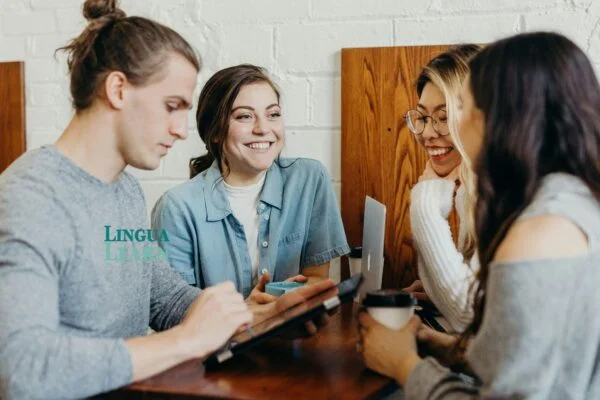
عندما تجري محادثات صادقة مع أشخاص من بلدان أخرى، وعندما تتبادلون القصص، وتضحكون على سوء الفهم، وتتغلبون معًا على الاختلافات الثقافية، فإن اللغة تتوقف عن كونها مجرد تمرين أكاديمي. بل تصبح جسرًا يربطكم بشيء حقيقي. وغالبًا ما يكون هذا التحول في طريقة تعاملك مع اللغة هو ما يميز المتعلمين الذين يصلون في النهاية إلى مستوى الطلاقة عن أولئك الذين يتوقفون قبل بلوغ هذا الهدف بقليل.
أظهرت الأبحاث التي تناولت الصداقات بين الثقافات التي تنشأ من خلال التبادل اللغوي أن الكشف المتكرر عن الذات يبني الثقة والتعاطف عبر الثقافات، لا سيما مع تحسن المهارات اللغوية بما يكفي لتبادل الأفكار الأعمق، مما يعني أن فعل مساعدة بعضنا البعض على التواصل بحد ذاته يخلق تجربة مشتركة تُرسخ علاقة حقيقية.
كثير من الأشخاص الذين يبدؤون تبادل المحادثات لأسباب عملية — مثل رحلة قادمة، أو متطلبات وظيفية، أو هدف شخصي — ينتهي بهم الأمر إلى تكوين صداقات تدوم لفترة أطول من الدافع الأصلي. وهذا ليس مجرد تأثير جانبي، بل هو جزء مما يجعل هذه الطريقة ناجحة.
تؤيد الأبحاث المتعلقة بالتبادل الحواري باستمرار استنتاجًا عمليًّا واحدًا: لا داعي للانتظار حتى تصبح مستعدًا. فالمبتدئون يستفيدون من التعرض المبكر لإيقاعات الكلام الطبيعية والتصحيح اللطيف من قبل المتحدثين الأصليين.
يستعين المتعلمون في المستوى المتوسط بالتبادل اللغوي لتجاوز مراحل الركود التي لا يمكن التغلب عليها بالدراسة المنظمة وحدها. أما المتعلمون في المستوى المتقدم، فيصقلون الفروق الدقيقة والمفردات الخاصة بمجالات معينة من خلال الحوار الحقيقي.
الشكل أقل أهمية من الاتساق. فاللقاءات المباشرة، والمكالمات المرئية، والتواصل النصي، كلها تنطوي على فوائد متشابهة عند ممارستها بانتظام. ما يهم هو أن التواصل الحقيقي يحدث، بشكل عفوي ومتبادل ومستمر على المدى الطويل.
إذا كنت تتعلم لغة ما ولم تكن المحادثة جزءًا من روتينك بعد، فإن هذا هو التغيير الأكثر تأثيرًا الذي يمكنك القيام به.
مع Lingua Learn يمكنك تعلم اللغة عبر الإنترنت في مجموعة تتيح لك إجراء محادثات مع أصدقائك.