AI has changed a lot of things, and language learning is genuinely one of them. In the last few years, tools powered by artificial intelligence have gone from novelty to something a lot of serious learners actively build into their study routines.
But with so many options floating around, it’s worth asking: what do these tools actually do well, and which ones are worth your time?
Tools like ChatGPT, Grammarly, and similar AI writing assistants have become genuinely useful for language learners who want to practice writing in a new language. You write a paragraph, paste it in, and get instant feedback on grammar, word choice, and phrasing.
What makes these useful isn’t just the correction, it’s the explanation. Most AI writing tools will tell you why something is wrong, not just flag it. For learners trying to understand the logic behind a language rather than just memorize rules, that explanatory feedback is valuable.
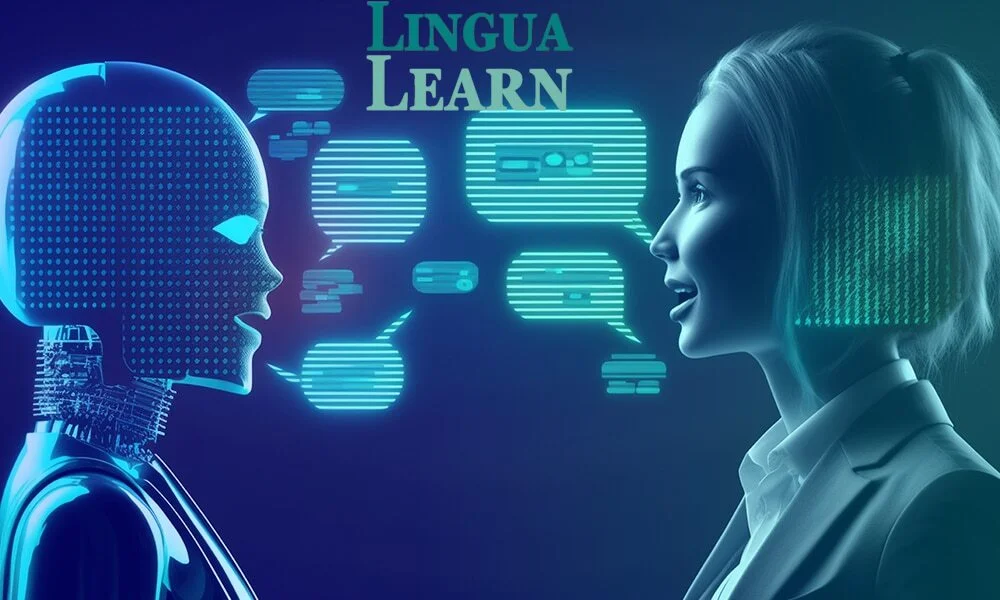
Several AI platforms now let you have full text or voice conversations in a target language. You write in French, it responds in French.
You ask it to correct your mistakes as you go, and it does. For learners without easy access to native speakers or conversation partners, this fills a real gap.
The limitation, as we’ve covered before, is that AI conversation still lacks the unpredictability and cultural nuance of talking to an actual person. But as a daily warm-up or a way to practice specific scenarios, think job interviews, travel situations, or formal emails, it works reasonably well.
This is one of the more interesting developments. Some AI tools can now listen to you speak and give feedback on your pronunciation, comparing your output against native speaker patterns and flagging specific sounds that need work.
For learners who don’t have regular access to a teacher, this kind of feedback used to simply not exist outside a classroom. Now it’s available on demand, which is a meaningful improvement over practicing in a vacuum with no idea whether your pronunciation is on track.
AI has also improved the humble flashcard. Modern vocabulary tools use AI to track which words you struggle with, adjust review frequency accordingly, and serve up examples in context rather than just isolated definitions.
The result is a more efficient review system that adapts to how you’re actually performing rather than following a fixed schedule.
Standard translation tools have existed for years, but AI-powered translation has improved dramatically in quality and, more usefully for learners, in its ability to explain nuance.
You can now ask not just “what does this mean” but “why is this phrasing used here instead of this other option” and get a genuinely useful answer.
For all the progress, there are things AI tools consistently fall short on. Real-time spoken conversation with all its messiness, personalized feedback from someone who knows your specific learning history, cultural context delivered by someone who actually lives it, and the accountability that comes from having a teacher who notices when you haven’t been practicing.
These aren’t small gaps. They’re the difference between someone who can navigate an AI chatbot in a new language and someone who can hold their own in a real meeting, negotiation, or social situation abroad.
AI tools work best when they’re part of a broader learning strategy, not the whole strategy. The learners who get the most out of them are typically those already working with a qualified instructor, using AI to stay active and practice between structured sessions.
If you’re building that kind of routine, Lingua Learn’s language courses cover everything from Arabic and French to Japanese and Korean, with qualified teachers who bring what AI tools genuinely cannot.