
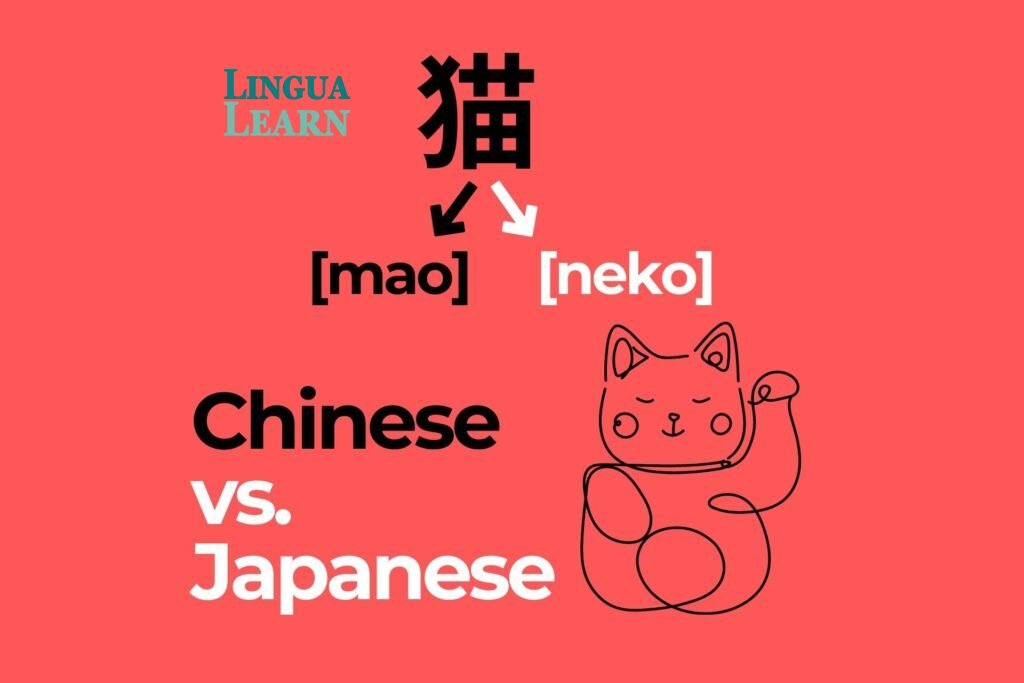
كلتا اللغتين رائعتان، وكلاهما مفيدتان حقًّا، وكلاهما تشتهران بصعوبتهما الشديدة. إذا كنت مترددًا بين اليابانية والصينية، فأنت لست وحدك. فهذه واحدة من أكثر المعضلات شيوعًا بين متعلمي اللغات المهتمين بآسيا الشرقية.
الإجابة الصادقة هي أنه لا يمكن القول بشكل موضوعي إن إحداهما أفضل من الأخرى لتعلمها أولاً. فالأمر يعتمد على أهدافك واهتماماتك والغرض الفعلي الذي ستستخدم اللغة من أجله. لكن هناك اختلافات حقيقية بين اللغتين يجدر فهمها قبل اتخاذ القرار.
تحتوي اللغة اليابانية على أبجديتين صوتيتين، هما «هيراغانا» و«كاتاكانا»، وتضم كل منهما حوالي 46 حرفًا. ويمكن لمعظم المبتدئين قراءة كلتا الأبجديتين في غضون بضعة أسابيع من الممارسة المكثفة.
وهذا يمنحك إنجازًا مبكرًا يحافظ على مستوى الحماس مرتفعًا؛ فأنت تقرأ بالفعل نصًا مكتوبًا بلغة أجنبية بسرعة نسبية، وهو ما يمنحك شعورًا جيدًا.
أما اللغة الصينية، على النقيض من ذلك، فتستخدم آلاف الحروف دون أي اختصارات صوتية. فأنت بحاجة إلى تعلم ما بين 2,000 و3,000 حرف تقريبًا لتتمكن من قراءة النصوص اليومية بسهولة، ولا يوجد أبجدية يمكنك الاعتماد عليها أثناء بناء تلك القاعدة.
تتميز اللغة اليابانية بمخزون صوتي صغير نسبيًّا وقواعد نطق متسقة إلى حدٍّ ما. ولا تشكل النغمات سمة من سمات اللغة اليابانية القياسية، مما يزيل إحدى أكبر العقبات التي يواجهها عادةً المتحدثون من غير الآسيويين.
اللغة الماندرين هي لغة نغمية تتألف من أربعة نغمات متميزة بالإضافة إلى نغمة محايدة. إن الخطأ في نطق النغمات لا يؤدي فقط إلى إخراج الكلمات بشكل غير صحيح، بل يمكن أن يغير معنى ما تقوله تمامًا. وهذا يضيف مستوىً من التعقيد إلى التحدث باللغة منذ اليوم الأول، وهو ما لا توجد له مثيل في اللغة اليابانية.
إذا كنت من محبي الأنيمي أو المانغا أو المسلسلات اليابانية أو ثقافة الألعاب اليابانية، فمن المحتمل أنك قد استوعبت لغة يابانية أكثر مما تدرك.
تظهر الكلمات المألوفة والعبارات الشائعة وحتى الأنماط النحوية الأساسية باستمرار في هذا المحتوى. ويؤدي هذا التعرض المسبق إلى إحراز تقدم أسرع في المراحل المبكرة، والأهم من ذلك، إلى توليد دافع داخلي للاستمرار.
اللغة اليابانية هي لغة اليابان، التي تُعد واحدة من أكبر الاقتصادات في العالم، ومركزًا رئيسيًّا للتكنولوجيا والتصميم والترفيه. وبالنسبة لمن يسعون إلى العمل في هذه المجالات، أو لأي شخص يخطط للعيش أو العمل في اليابان، فإن اللغة اليابانية هي الخيار الأمثل.
يتحدث اللغة الصينية أكثر من مليار شخص، مما يجعلها اللغة الأكثر انتشارًا في العالم من حيث عدد المتحدثين بها كلغة أم. وبالإضافة إلى الصين القارية، تُستخدم هذه اللغة على نطاق واسع في تايوان وسنغافورة، وكذلك في الجاليات الصينية الكبيرة المنتشرة في جميع أنحاء جنوب شرق آسيا وفي أنحاء العالم.
إذا كان هدفك هو تحقيق أقصى انتشار لغوي أو اغتنام الفرص التجارية في ثاني أكبر اقتصاد في العالم، فمن الصعب إنكار أهمية تعلم اللغة الماندرين.
إليكم أمرًا لا يتوقعه معظم الناس: إن قواعد اللغة الماندرين بسيطة جدًّا في الواقع مقارنةً بالعديد من اللغات الأوروبية، بل وحتى مقارنةً باللغة اليابانية. فلا توجد تصريفات للأفعال، ولا أسماء ذات جنس، ولا صيغ الجمع، ولا حالات النحو. وتتبع الجمل بنية منطقية إلى حدٍّ ما، يستوعبها المتحدثون باللغة الإنجليزية بسرعة نسبيًّا.
بمجرد أن تتجاوز مسألة النطق النغمي ونظام الحروف، ستجد أن القواعد النحوية الأساسية أقل تعقيدًا بكثير مما تبدو عليه في البداية.
تستخدم اللغة اليابانية ثلاثة أنظمة كتابة في آن واحد: الهيراغانا، والكاتاكانا، والكانجي (الحروف الصينية المُكيّفة إلى اللغة اليابانية). وتتطلب القراءة بطلاقة باللغة اليابانية معرفة هذه الأنظمة الثلاثة جميعها، ومعرفة متى يُستخدم كل منها. أما اللغة الماندرين فتستخدم نظامًا واحدًا، وهو الحروف المبسطة أو التقليدية حسب المنطقة، وهو ما لا يزال يمثل منحنى تعليمي كبير، لكنه أكثر تركيزًا.
يستمر النفوذ الاقتصادي للصين في النمو على الصعيد العالمي. وتزداد أهمية إتقان اللغة الصينية في مجالات مثل المالية والتجارة والدبلوماسية والتصنيع والتكنولوجيا. وبالنسبة للمهنيين في تلك القطاعات، فإن إتقان اللغة الصينية يفتح أمامهم أبوابًا لا تفتحها سوى لغات قليلة أخرى.
إذا كنت منجذبًا إلى الثقافة اليابانية، أو تخطط لزيارة اليابان أو الانتقال إليها، أو كنت تتابع بالفعل وسائل الإعلام اليابانية، فابدأ بتعلم اللغة اليابانية. فالنجاحات المبكرة التي ستحققها بفضل أنظمة الكتابة الصوتية والنطق الأكثر سهولة ستحافظ على حماسك بينما تكتسب زخمًا في تعلمك.
إذا كانت أهدافك تتمحور بشكل أساسي حول التطور المهني، أو تركز على الأعمال التجارية، أو تهدف إلى الوصول إلى أكبر عدد ممكن من الجمهور، فإن تعلم اللغة الصينية (الماندرين) يعد خيارًا أكثر منطقية من الناحية الاستراتيجية. وستفاجئك قواعد اللغة بمدى سهولة فهمها بمجرد أن تلتزم بتعلم الحروف الصينية.
هناك أمر جدير بالمعرفة: إن تعلم إحدى اللغتين يمنحك بالفعل ميزة جزئية في تعلم اللغة الأخرى. تستخدم اللغة اليابانية آلاف الحروف الصينية (التي تُسمى «كانجي»)، لذا فإن متعلمي اللغة اليابانية يتعرفون بالفعل على جزء كبير من اللغة الماندرين المكتوبة. وسيجد متعلمو اللغة الماندرين أن بعض المنطق الكامن وراء حروف «كانجي» اليابانية مألوفًا لهم. إنهما ليسا نفس اللغة، لكنهما ليسا غير مرتبطين تمامًا أيضًا.
أياً كان اختيارك، فإن التوجيه المنظم يُحدث فرقاً حقيقياً في كلتا الحالتين. اطّلع على دورات اللغة اليابانية في «لينغوا ليرن» أو دورات لغة الماندرين لتحديد نقطة البداية المناسبة لمستواك وأهدافك.